Differences in Touch Techniques of the German-Austrian Piano School
The distinction between the German and Austrian piano schools, particularly in their approaches to touch and tone production, remains a fascinating subject for pianists and musicologists alike. While both traditions share common roots in the Central European classical tradition, their nuanced differences in technique and philosophy have shaped generations of performers. These variations extend beyond mere stylistic preferences, reflecting deeper cultural and pedagogical divergences that continue to influence piano playing today.
Historical context provides the first clue to understanding these differences. The German school, emerging from the rigorous discipline of Prussian musical education, emphasized structure, precision, and clarity of articulation. This approach found its ideal exponent in composers like Beethoven and Brahms, whose works demand a certain weight and decisiveness in touch. Meanwhile, the Viennese tradition, nurtured in the more fluid artistic atmosphere of Habsburg Vienna, prized singing tone and graceful phrasing above all else. The pianos built in these respective regions - the heavier German actions versus the more responsive Viennese mechanisms - both reflected and reinforced these technical preferences.
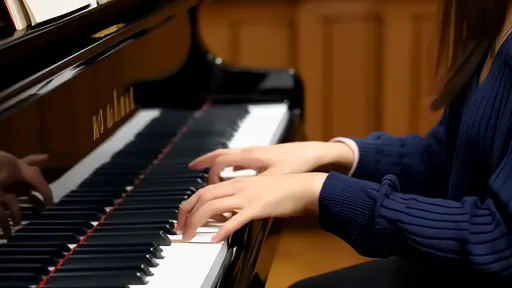
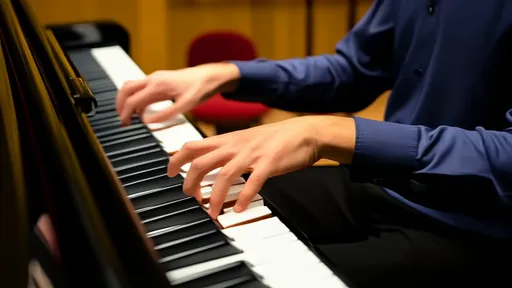
When examining finger technique, the contrasts become particularly apparent. German pedagogy traditionally favored a more vertical, "pearl-like" finger action, with each note precisely articulated through independent finger strength. This produces the characteristic German tone - clear, articulate, and rhythmically precise. The Austrian approach, by contrast, cultivates a more horizontal, flowing hand motion, with fingers gliding across the keys in legato phrases. This technique, sometimes described as "pulling" the tone from the keyboard rather than striking it, creates the famous Viennese cantabile sound that seems to breathe like the human voice.
The role of arm weight represents another point of divergence. While both schools utilize arm weight to some degree, German technique tends to employ it more deliberately for dramatic accents and structural emphasis. The Austrian method integrates arm weight more subtly, distributing it continuously through phrases to maintain the singing line. This difference becomes especially noticeable in Romantic repertoire - compare, for instance, the robust, architectonic interpretations of German-trained pianists in Schumann with the more fluid, vocally-inspired readings by Viennese artists in Schubert.
Pedaling techniques further distinguish these traditions. The German school developed sophisticated use of partial pedaling and pedal changes to clarify complex textures, reflecting their concern with structural transparency. Austrian pianism, meanwhile, often employs more sustained pedaling to enhance melodic continuity and harmonic blending. These approaches aren't mutually exclusive, of course, but represent different points of emphasis that shape the overall sound world.
The psychological dimension of touch reveals yet another layer of contrast. German training tends to conceptualize touch as something actively imposed upon the keyboard - the pianist as sculptor shaping musical material. The Austrian tradition often conveys a sense of receiving tone from the instrument, collaborating with its resonant properties. This subtle difference in mindset affects everything from practice routines to performance aesthetics.
Modern piano playing has inevitably blurred these distinctions, with international exchange and standardized piano manufacturing creating more homogeneous technical approaches. Yet traces of these traditional differences persist in various pedagogical lineages and performance styles. Contemporary pianists might benefit from studying both approaches, selecting tools from each tradition according to musical requirements. The German touch might serve Beethoven's abrupt sforzandi better, while the Viennese legato could prove ideal for Mozart's lyrical lines.
Ultimately, these technical differences stem from profound musical values. The German school's precision serves its commitment to architectural form and intellectual clarity, while the Austrian fluidity reflects its prioritization of singing tone and emotional expression. Neither approach is superior - they represent complementary solutions to the endless challenge of making the piano sing, speak, and resonate with human meaning. For today's musicians, awareness of these traditions offers not just historical insight, but practical tools for more informed and expressive playing.