Reconfiguration of Jazz Harmony
The art of reharmonization in jazz is a fascinating journey through harmonic possibilities, where familiar melodies take on new colors and unexpected twists. Unlike classical harmony's stricter rules, jazz reharmonization thrives on spontaneity, personal expression, and a deep understanding of chord substitutions. It’s not merely about replacing chords but reshaping the emotional landscape of a piece while respecting its original intent. Musicians often describe it as "telling the same story in a different dialect," where the melody remains recognizable, but the harmonic backdrop transforms it into something fresh and exciting.
The foundation of jazz reharmonization lies in chord substitutions and extensions. A simple triad might blossom into a rich, extended chord with added ninths, elevenths, or thirteenths. For instance, a basic II-V-I progression in C major (Dm7-G7-Cmaj7) could be reimagined as Dm9-G13#11-Cmaj9#11, instantly adding sophistication and tension. The magic happens when these substitutions don’t just follow theoretical rules but serve the melody’s phrasing and emotional arc. A skilled arranger knows when to lean into dissonance for dramatic effect and when to resolve it for satisfaction.
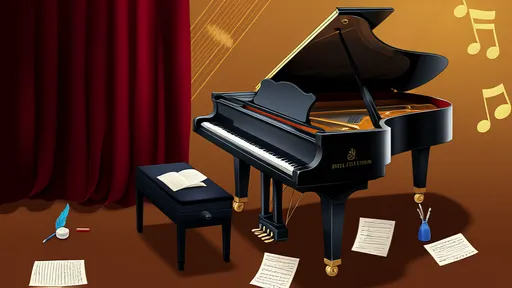
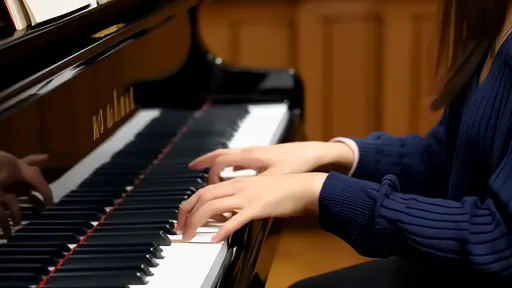
One of the most compelling aspects of reharmonization is its ability to reflect the player’s personality. Bill Evans, for example, was a master of subtle harmonic shifts, often using chromatic passing chords or tritone substitutions to create a sense of fluid motion. On the other hand, Thelonious Monk favored abrupt, angular changes that highlighted his quirky melodic sensibilities. These approaches aren’t just technical choices—they’re fingerprints of artistic identity. When listening to different pianists reharmonize the same standard, the variations reveal as much about the musician as the music itself.
Reharmonization also plays a crucial role in jazz arranging for larger ensembles. A big band chart might feature lush, stacked harmonies in the saxophone section while the brass interjects with sharp, dissonant clusters. The interplay between sections can turn a straightforward tune into a dynamic conversation, with each reharmonized passage adding layers of meaning. Arrangers like Maria Schneider and Gil Evans excel at this, crafting harmonies that feel both surprising and inevitable, as if the original melody was always meant to be heard that way.
Beyond theory, reharmonization demands a keen ear and a willingness to take risks. Some of the most memorable moments in jazz come from daring harmonic choices—think of Miles Davis’ "So What" with its iconic modal shifts or Herbie Hancock’s reharmonizations in "Maiden Voyage." These innovations didn’t just redefine the tunes; they expanded the language of jazz itself. Aspiring musicians often spend years transcribing and analyzing such moments, not to copy them but to internalize the thought processes behind them.
In modern jazz, reharmonization continues to evolve, blending with influences from hip-hop, electronic music, and global traditions. Artists like Robert Glasper or Kamasi Washington might layer jazz harmonies over syncopated grooves or fuse them with West African tonalities. The principles remain the same—respect the melody, serve the emotion, and keep the listener engaged—but the palette keeps growing. This endless adaptability is what keeps jazz harmony alive and relevant, inviting each generation to put its own spin on the tradition.
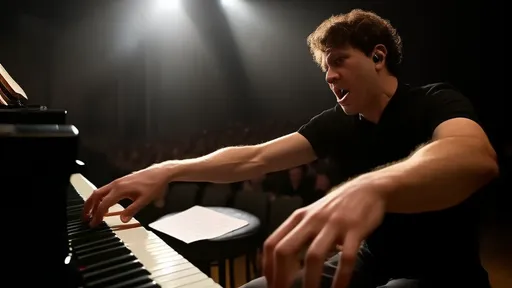
Ultimately, reharmonization is about storytelling. Whether it’s a solo pianist reworking a ballad or a full orchestra reimagining a standard, the goal is to make the audience hear the familiar in a new light. It’s a reminder that harmony isn’t just a set of rules but a living, breathing language—one that thrives on creativity, intuition, and the occasional happy accident. And that’s the beauty of jazz: even when the chords change, the soul stays the same.